Physical Address
304 North Cardinal St.
Dorchester Center, MA 02124
Physical Address
304 North Cardinal St.
Dorchester Center, MA 02124



Every freelancer, consultant, or creative professional has faced them—difficult clients. They drain your energy, stretch deadlines, and sometimes even make you question your career choices. But here’s the truth: challenging clients are an inevitable part of professional growth. How you handle them determines not only your stress level but also your reputation and long-term success.
According to Harvard Business Review, professionals who learn how to manage tough client relationships develop stronger communication skills, better boundaries, and higher resilience. So, instead of viewing these encounters as setbacks, think of them as lessons in leadership, patience, and strategy.
Let’s explore five of the most frustrating and painful client situations—and, more importantly, how to handle them with confidence and grace.
Best for: Freelancers and project-based professionals.
You start with a clear plan—then suddenly, your client adds new tasks, wants extra revisions, or shifts goals without adjusting payment. Welcome to scope creep, the bane of every project’s budget and timeline.
How It Happens:
Real Example: Sarah, a web designer, agreed to build a 5-page site for $1,000. After launch, the client requested two extra pages, new features, and multiple revisions—all “included,” of course. The project took twice as long for the same pay.
How to Handle It:
Pro Tip: Tools like Bonsai Contracts or HelloSign make it easy to set terms that protect your time.
Takeaway: You teach clients how to treat you. Clarity equals control.

Best for: Freelancers and consultants working remotely.
You send deliverables, follow-ups, and invoices—but your client vanishes into thin air. No feedback. No payment. Just digital silence. It’s infuriating and nerve-wracking.
Why It Happens:
Example: David, a content strategist, delivered a full campaign draft worth $2,500. The client ghosted him for three weeks, only to reappear asking for major changes—with no new contract.
How to Handle It:
Pro Tip: Tools like FreshBooks or PayPal Invoicing let you automate reminders and track communication.
Takeaway: Boundaries prevent ghosting. Structure prevents chaos.
Best for: Creatives and marketing professionals.
Some clients hire experts—but don’t trust them to do their jobs. They hover, question every decision, and demand constant updates. Micromanagers often mean well but end up killing productivity and morale.
Why It Happens:
Example: Anna, a brand strategist, worked with a client who wanted daily updates and approval for every email. The project took twice as long, and creativity suffered.
How to Handle It:
Pro Tip: Frame boundaries as collaboration tools, not restrictions.
Takeaway: Confidence breeds trust—show your client you’re in control.
Best for: Designers, marketers, and consultants.
We’ve all met them—the client who expects a viral campaign in a week or a world-class website for $200. Their vision is big, but their budget and timeline aren’t.
Why It Happens:
Example: James, a freelance videographer, was hired for a “simple” 30-second promo. The client later demanded drone footage, custom animation, and same-day delivery—for no extra cost.
How to Handle It:
Pro Tip: Reference trusted sources like Upwork’s Pricing Guide to justify your rates.
Takeaway: Professionalism isn’t about saying yes—it’s about guiding clients toward reality.
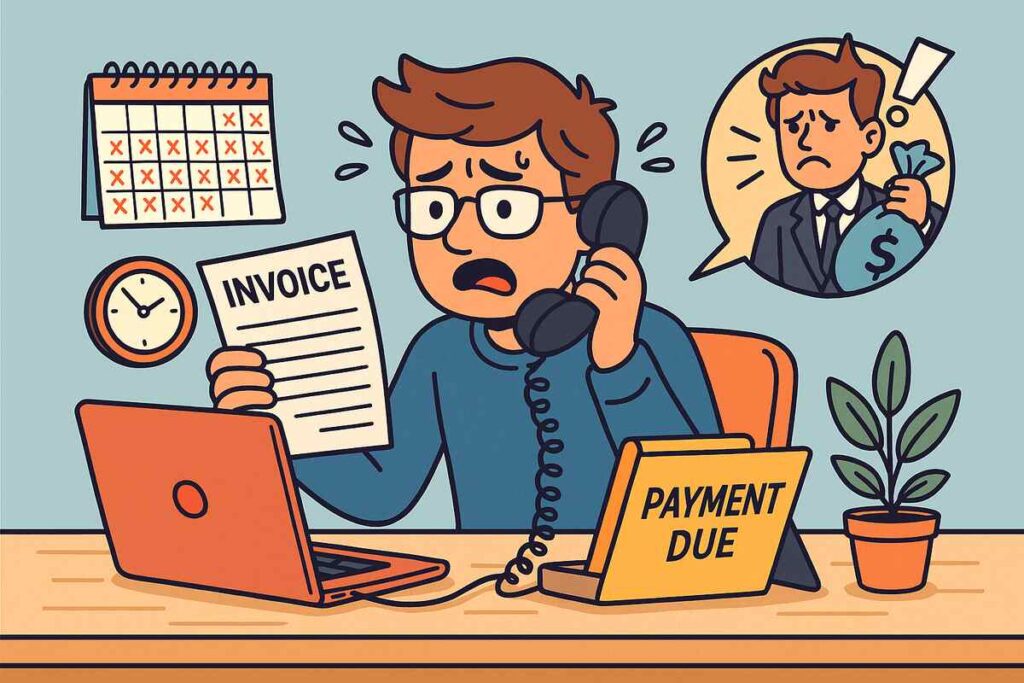
Best for: Freelancers and agencies.
Even with signed contracts and great work, some clients delay payment—or worse, vanish altogether. Nothing kills motivation faster than chasing overdue invoices.
Why It Happens:
Example: Nina completed a $3,000 design project and waited two months for payment. Only after sending a final notice with a late fee clause did she receive the funds.
How to Handle It:
Pro Tip: Late fees motivate timely payments—include them by default.
Takeaway: Protect your livelihood by treating payments like contracts, not courtesy.
When Megan, a freelance copywriter, started her career, she said yes to everyone—cheap clients, vague timelines, and constant revisions. After months of stress, she implemented contracts, milestone payments, and weekly updates. Within six months, she doubled her income and cut her workload in half.
Lesson: Difficult clients don’t disappear—you just learn how to manage them better.
| Client Type | Main Challenge | Smart Response | Result |
|---|---|---|---|
| Scope Creeper | Expanding workload | Set boundaries & charge for extras | Controlled scope |
| Disappearing Act | No communication | Set deadlines & automated reminders | Faster feedback |
| Micromanager | Over-control | Scheduled updates & transparency | Increased trust |
| Unrealistic Dreamer | Impossible expectations | Educate with data | Realistic project goals |
| Late Payer | Payment delays | Contracts & late fees | Reliable cash flow |
1. How can I spot a difficult client early?
Watch for red flags—vague project briefs, unrealistic deadlines, or reluctance to sign contracts.
2. Should I ever fire a client?
Yes. If a client consistently disrespects your time, boundaries, or payment terms, it’s healthier to walk away.
3. How do I stay professional when frustrated?
Pause before replying, focus on facts, and keep communication calm and documented.
4. Can contracts really prevent difficult clients?
Absolutely. A solid contract clarifies expectations, scope, and payment—reducing 90% of potential issues.
5. How do I recover from a bad client experience?
Reflect on what went wrong, adjust your systems, and move forward. Every challenge strengthens your boundaries.
Difficult clients will always exist—but they don’t have to derail your business. By staying assertive, organized, and communicative, you turn challenging situations into opportunities for growth. Each tough encounter refines your professionalism, making you a stronger, more confident service provider.
Remember: the goal isn’t to avoid all difficult clients—it’s to manage them smartly.
If this article helped you handle challenging client situations, share it with your peers and explore more freelancing insights on our blog.