Physical Address
304 North Cardinal St.
Dorchester Center, MA 02124
Physical Address
304 North Cardinal St.
Dorchester Center, MA 02124

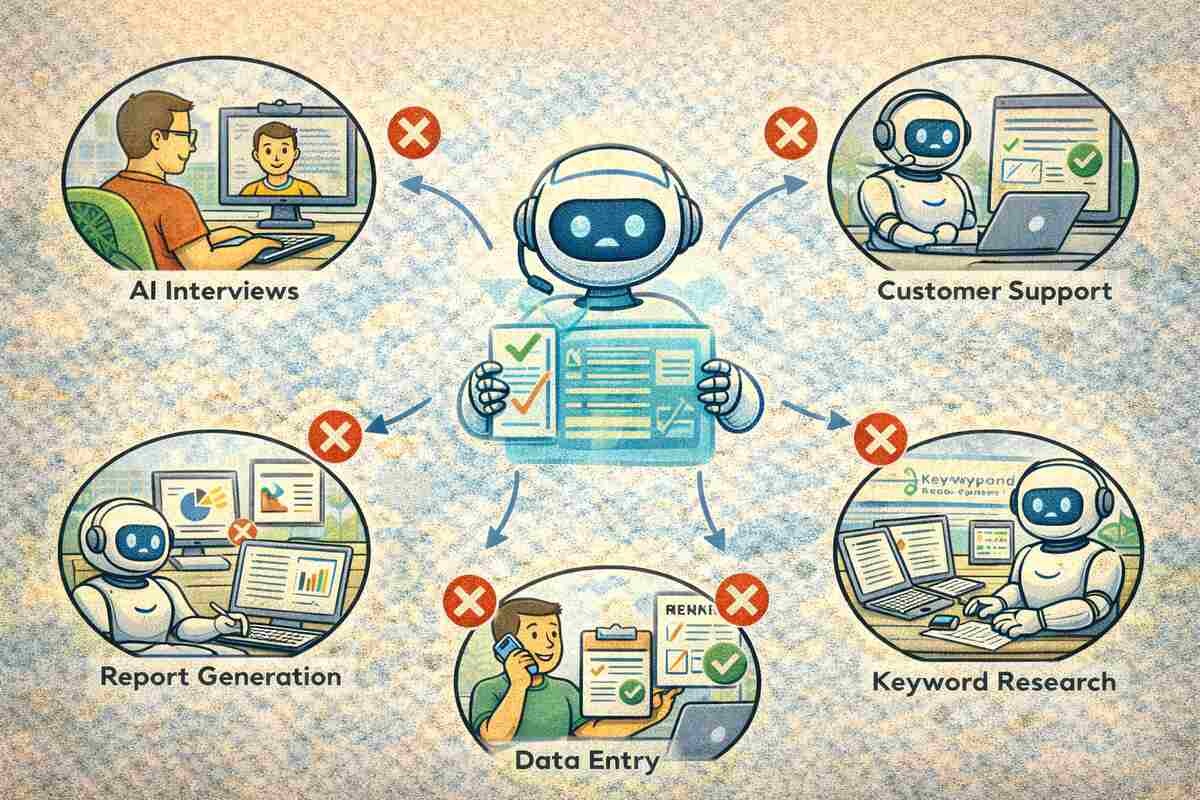
Remote work isn’t disappearing, but many remote tasks are.
As artificial intelligence matures in 2025–2026, it’s no longer just assisting remote workers. It’s replacing entire categories of routine digital labor. Tasks that once justified full-time remote roles are now being handled faster, cheaper, and more accurately by AI systems.
According to a 2025 Harvard Business Review analysis, companies adopting AI automation report productivity gains of 30–50%, primarily by eliminating repetitive, rules-based tasks. This doesn’t mean remote work is dying, it means remote work is evolving toward higher-value skills.
In this guide, we’ll explore 5 remote tasks that are rapidly disappearing due to AI automation, why they’re vulnerable, and what remote professionals should do next to stay relevant and well-paid.
Not all work is equally automatable.
AI excels where consistency matters more than creativity or emotional intelligence.
Key Insight: AI doesn’t replace jobs all at once, it replaces tasks within jobs a trend also explained by McKinsey & Company.
Takeaway: The more routine your daily work, the more exposed it is.
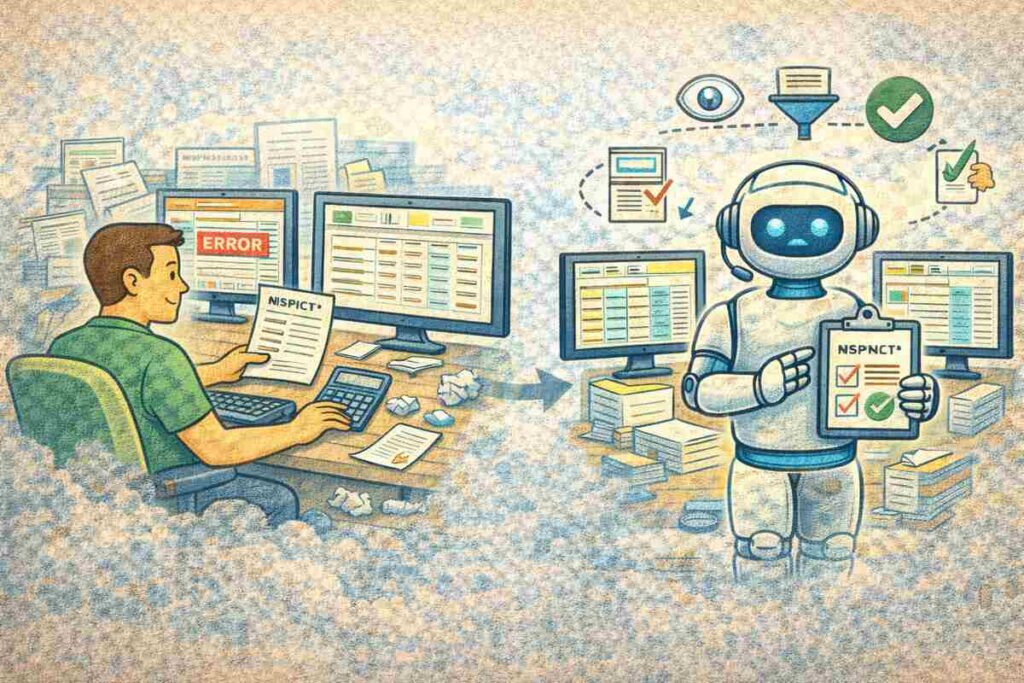
Status: Rapidly disappearing
Manual data entry was one of the first remote jobs to boom and one of the first to decline.
Example: A finance team that once employed multiple remote data clerks now uses AI tools to process thousands of invoices per day automatically.
Impact: Many data-entry-only roles have already vanished or pay significantly less.
What to Do Instead:
Transition toward data analysis, quality auditing, or automation oversight.
Takeaway: Typing data is no longer a skill interpreting it is.
Status: Actively being replaced
Basic customer support tasks are among the most automated remote functions today.
Example: Many SaaS companies now resolve over 70% of customer inquiries without a human agent.
Research Insight: According to Forbes Advisor research, AI-powered support reduces response times by up to 60%.
What’s Still Safe:
Takeaway: Empathy and problem-solving survive scripts do not.
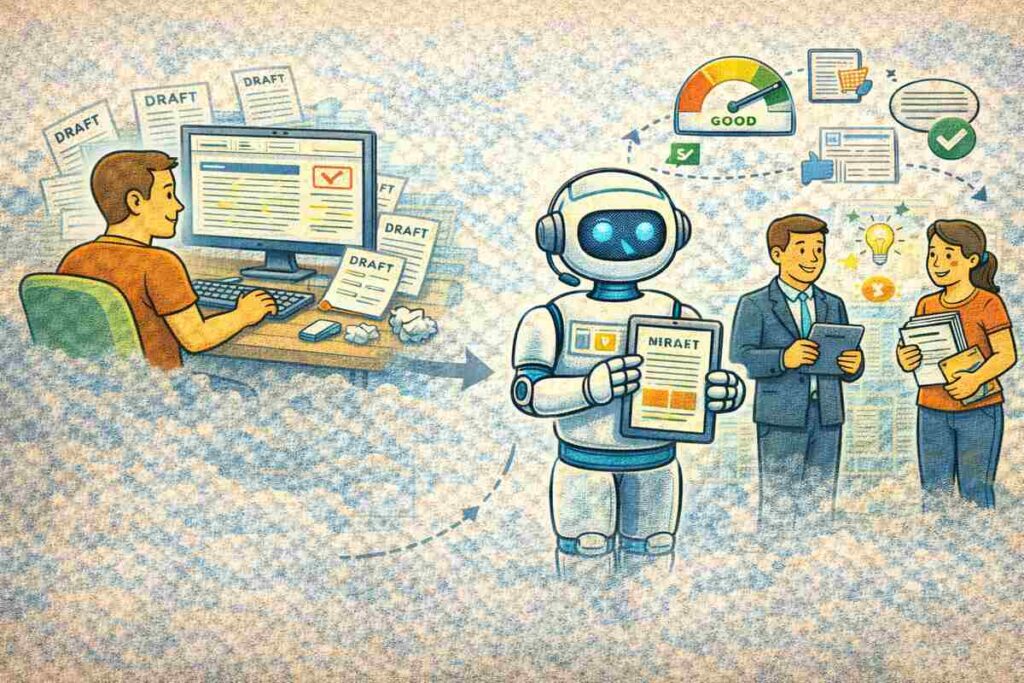
Status: Severely disrupted
AI writing tools now produce readable, SEO-friendly content in seconds.
Example: Companies that once hired dozens of freelance writers now use AI for first drafts—or full articles with minimal human editing.
Important Distinction:
AI replaces commodity content, not high-level thinking.
What to Do Instead:
Shift toward:
Takeaway: Writers must evolve into strategists and editors.
Status: Quietly disappearing
Many traditional VA tasks are now handled automatically.
Example: Executives increasingly rely on AI assistants that schedule meetings without human involvement.
What Still Matters:
Takeaway: VAs must become operations specialists, not schedulers.
Status: Actively automated
Routine reporting used to justify many remote analyst roles.
Example: Marketing teams receive automated performance summaries without human input.
What Remains Valuable:
Takeaway: Reporting is automated, insight is not.
Once automation reaches a certain efficiency threshold, reversal is unlikely.
Companies rarely rehire humans for tasks machines do better.
Takeaway: Waiting for these roles to “recover” is risky.
AI doesn’t eliminate opportunity, it raises the bar.
Example: A former VA who learned automation tools now builds AI systems for clients and earns more than before.
Takeaway: Those who manage AI will outperform those replaced by it.
After her content-writing workload declined, Sara learned AI-assisted editing and content strategy. She now:
Her income increased—despite writing fewer words.
Lesson: Leverage AI instead of competing with it.
| Task Type | Automation Risk |
|---|---|
| Data entry | Very high |
| Basic support | High |
| Generic writing | High |
| Scheduling | High |
| Strategy & insight | Low |
| Creative leadership | Low |
| Complex decision-making | Very low |
1. Will AI eliminate all remote jobs?
No, only routine tasks.
2. Should remote workers fear AI?
No, those who adapt benefit most.
3. How fast is this happening?
Faster than previous tech shifts.
4. Can beginners still enter remote work?
Yes, by learning higher-value skills.
5. Is upskilling optional now?
No, it’s essential.
AI automation isn’t a future threat, it’s a present reality. Remote tasks that rely on repetition, scripts, or predictable outputs are disappearing quickly. But the demand for thinking, guiding, interpreting, and creating is growing.
Industry leaders like the World Economic Forum and MIT Technology Review agree that workers who adapt and upskill alongside AI will see stronger career growth, not decline.
The remote professionals who thrive in the next decade won’t fight automation, they’ll lead it.
If this guide helped you rethink your remote career strategy, share it or explore more future-of-work insights on our blog.