Physical Address
304 North Cardinal St.
Dorchester Center, MA 02124
Physical Address
304 North Cardinal St.
Dorchester Center, MA 02124

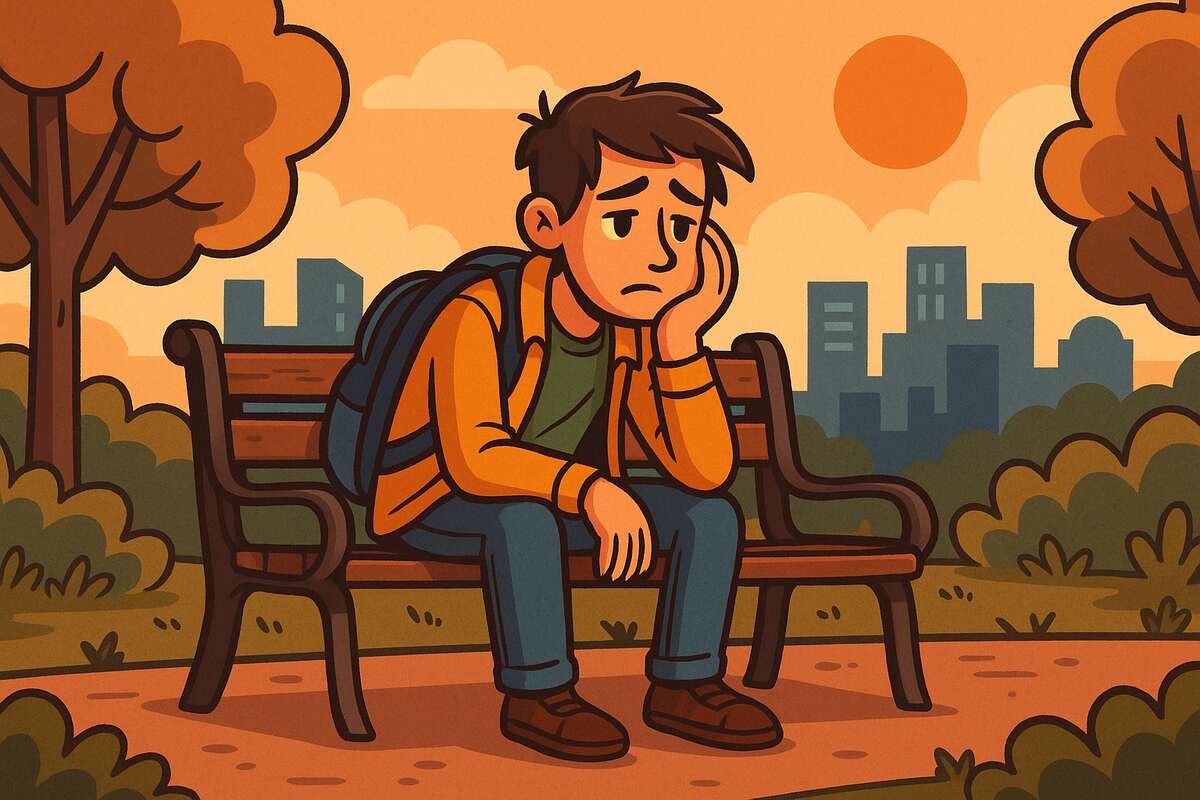
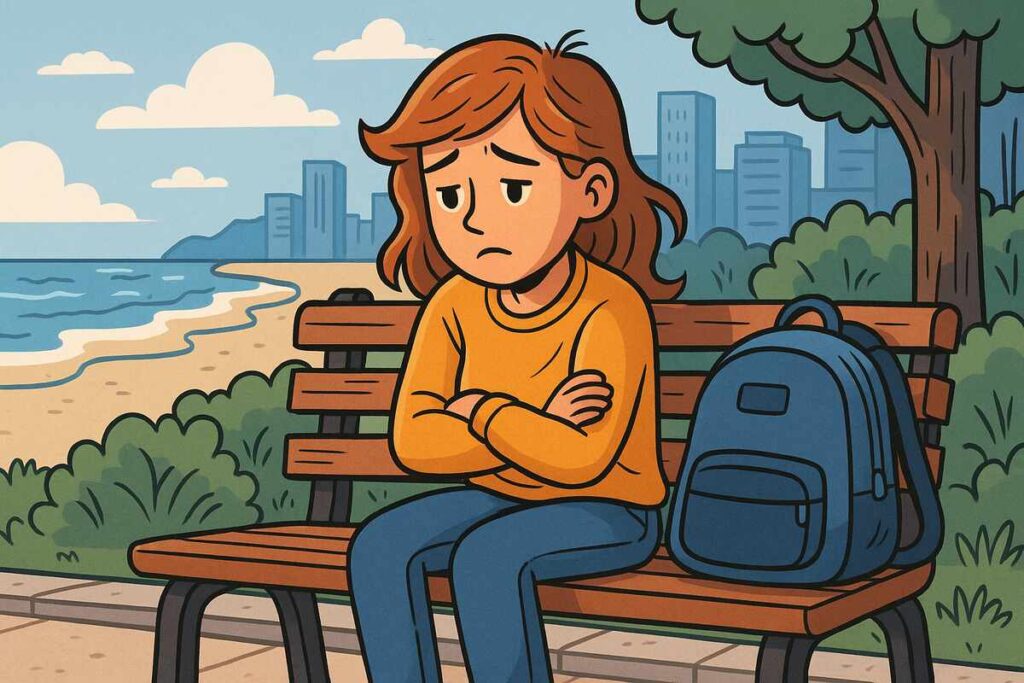
The digital nomad lifestyle is often romanticized: working from beaches, hopping between cities, and enjoying endless freedom. But beneath the Instagram-worthy photos lies a difficult truth: loneliness is one of the most common struggles digital nomads face. According to Psychology Today, prolonged loneliness can increase risks of depression, anxiety, and even physical health problems.
While remote work provides freedom, the lack of stable community, constant goodbyes, and cultural disconnection can weigh heavily. Let’s explore the five heartbreaking, harsh truths about digital nomad loneliness—and how you can cope with them.
For nomads, friendships are often temporary. You meet amazing people in Bali, Lisbon, or Medellín—then within weeks or months, one of you moves on.
Why it hurts:
Case Example: Maria, a copywriter from Spain, shared that after her tenth “goodbye dinner” in a single year, she felt emotionally drained and disconnected from her community.
Takeaway: Digital nomadism often means choosing freedom over stability, and relationships become collateral damage.
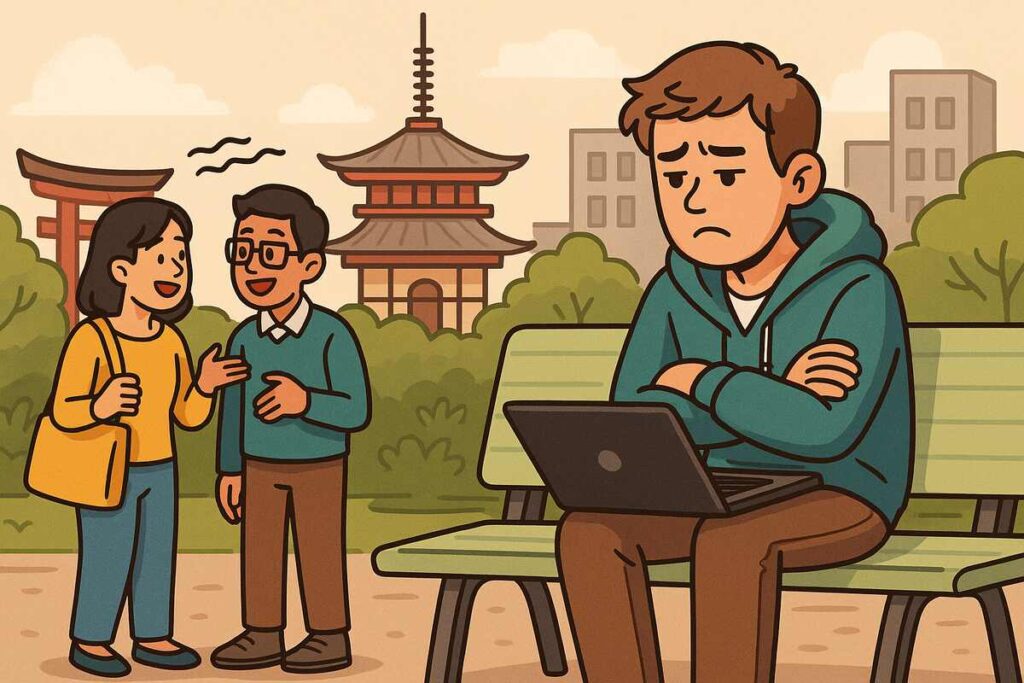
Living abroad exposes nomads to rich diversity—but also language and cultural gaps that can deepen loneliness.
Challenges include:
Example: A U.S. developer living in Japan struggled to form bonds beyond surface-level friendships due to language barriers. Despite enjoying the culture, he felt profoundly isolated.
Takeaway: Freedom comes at a price belonging is harder to find when you’re always the foreigner.
For digital nomads, work and personal life often merge in unfamiliar places.
How this fuels loneliness:
Pro Insight: The Harvard Business Review highlights that remote workers often feel disconnected without structured social interaction, making intentional efforts crucial.
Takeaway: Without balance, nomads can feel like they’re always working but never truly connected.
Stable romantic partnerships can be challenging when you’re constantly on the move.
Barriers include:
Case Study: James, a nomadic videographer, dated someone he met in Thailand. The relationship fell apart when they couldn’t align travel schedules. For James, loneliness after the breakup hit harder while abroad.
Takeaway: Love is difficult when your zip code changes every few months.
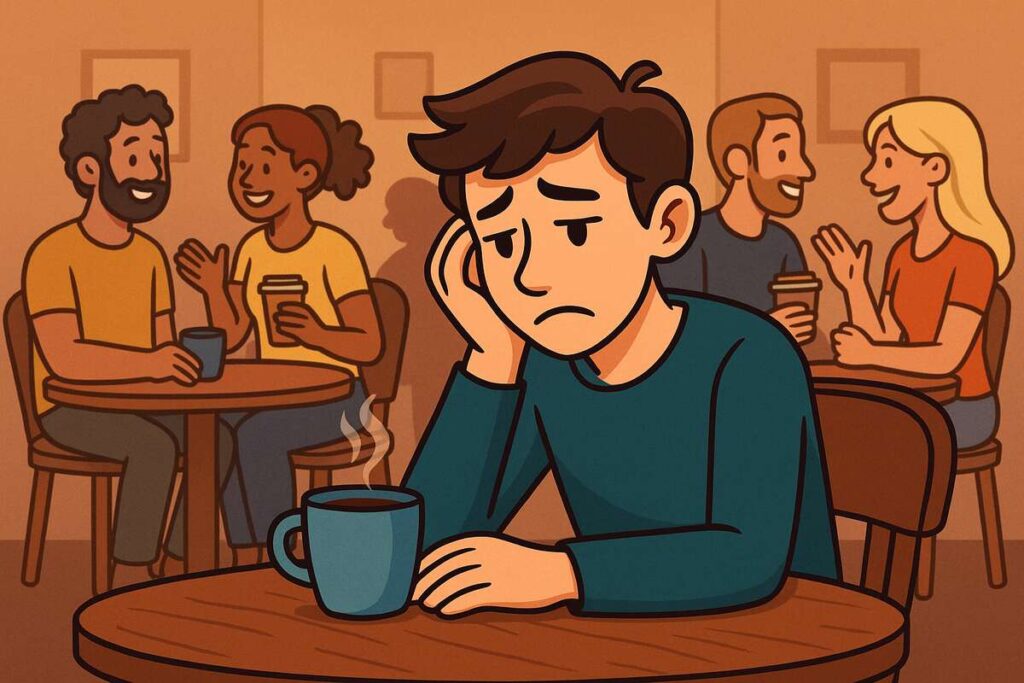
Digital nomad hotspots like Chiang Mai, Mexico City, or Lisbon—are full of fellow travelers. While this offers community, connections often remain shallow.
Why?
Example: A survey by Nomad List found that while 70% of digital nomads meet new people easily, only 20% report forming lasting friendships. Many confessed to feeling isolated despite being surrounded by people.
Takeaway: Being socially active doesn’t always mean feeling socially fulfilled.
While the harsh truths are real, loneliness doesn’t have to define your experience. Here are proven ways to cope:
Anna, a nomadic marketer, spent years chasing new destinations but often felt alone. After hitting burnout, she switched to slower travel, spending six months in Lisbon. By joining a coworking hub, she built lasting friendships and even started a local volunteer project. For Anna, slowing down was the key to overcoming nomad loneliness.
1. Do all digital nomads feel lonely?
Not always, but loneliness is very common—especially for first-time nomads.
2. Can coworking spaces really help reduce loneliness?
Yes. They provide both professional collaboration and social opportunities, helping you form more genuine connections.
3. Is slow travel better for building community?
Absolutely. Staying in one place longer gives you time to establish roots and deeper friendships.
4. How do nomads handle mental health challenges?
Many rely on therapy apps, online support groups, or periodic returns home to recharge emotionally.
5. Can relationships survive the nomad lifestyle?
Yes, but they require intentional effort, communication, and often a partner willing to share the lifestyle.
The digital nomad lifestyle offers freedom and adventure, but loneliness is an undeniable downside. Constant goodbyes, cultural barriers, blurred work-life boundaries, and fragile relationships all contribute to the emotional challenges of this lifestyle.
But loneliness doesn’t have to win. By embracing slow travel, seeking authentic communities, and taking care of your mental health, you can find balance. The digital nomad journey may be solitary at times, but with intention, it can also be deeply rewarding.
If this article gave you valuable insight into the hidden struggles of digital nomad life, share it with fellow travelers and explore more lifestyle tips on our blog.