Physical Address
304 North Cardinal St.
Dorchester Center, MA 02124
Physical Address
304 North Cardinal St.
Dorchester Center, MA 02124

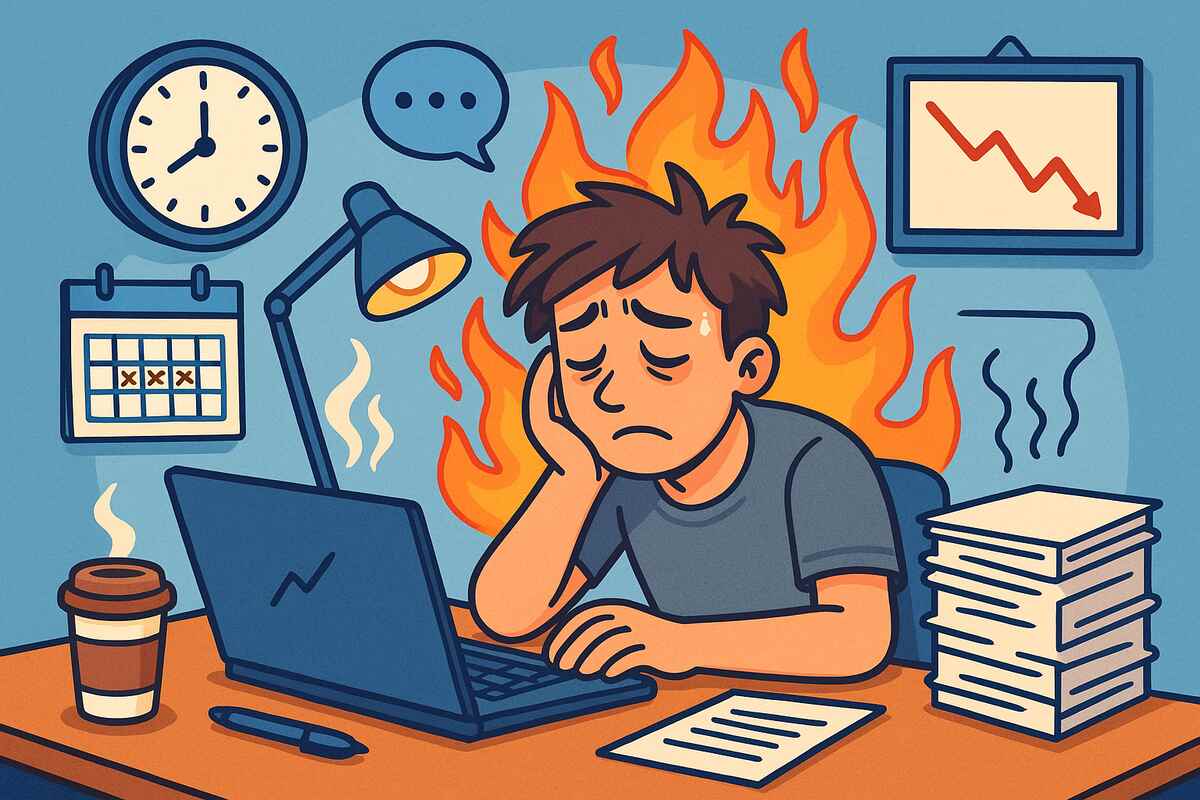

Freelancing has long been celebrated for its freedom choosing your projects, setting your own schedule, and working from anywhere. But in 2025, that same flexibility can easily become a double-edged sword. The rise of AI-driven workflows, client expectations for instant turnarounds, and economic uncertainty have created a new kind of professional pressure: freelance burnout.
According to a Harvard Business Review analysis, over 59% of freelancers report experiencing burnout symptoms such as emotional exhaustion, loss of motivation, and mental fatigue. And unlike traditional employees, freelancers often lack organizational support systems or benefits to help them recover.
If you’ve been feeling drained, irritable, or detached from your work lately, it’s time to take a closer look. Here are five hidden signs of freelance burnout you shouldn’t ignore and actionable steps to protect your health, happiness, and productivity in 2025.
Best for: Freelancers who feel tired no matter how much they sleep.
Freelancers often blur the lines between work and rest. You might tell yourself, “I’ll just finish one more project,” but that habit quickly leads to chronic fatigue. If you wake up feeling as tired as when you went to bed, your body is warning you that it’s time to slow down.
Signs to Watch:
Example:
Emma, a freelance graphic designer, began pulling late nights to meet client deadlines. Over time, she noticed her creativity declining and her enthusiasm fading. When she finally took a three-day break, her productivity rebounded dramatically.
Pro Tip:
Try following the “two-rest rule” schedule two short recovery breaks each day, even if it’s just a 15-minute walk or meditation session.
Research Insight:
The Cleveland Clinic emphasizes that consistent rest and mindfulness are crucial for reversing early signs of burnout.
Takeaway: Rest isn’t a luxury it’s a tool for long-term success.

Best for: Freelancers who feel disconnected from their work.
What once excited you—new projects, creative challenges, client wins now feels routine or meaningless. This emotional flatness is one of the earliest red flags of burnout. It’s not about laziness—it’s about mental overload.
Why It Happens:
Freelancers often take on repetitive or low-paying gigs to maintain financial stability, sacrificing their creative fulfillment in the process.
Example:
Marcus, a content writer, used to love storytelling. But after months of nonstop client blogs and SEO rewrites, he stopped enjoying his craft. His breakthrough came when he started setting creative boundaries, reserving Fridays for personal writing.
Pro Tip:
Revisit your “why.” Reflect on what drew you to freelancing in the first place. Reconnecting with that purpose can reignite your motivation.
Research Insight:
The American Psychological Association found that intrinsic motivation working for meaning, not just money is a key buffer against burnout.
Takeaway: When you lose your “why,” even small tasks feel heavy. Reclaim it before exhaustion claims you.
Best for: Professionals feeling cynical, short-tempered, or emotionally numb.
Emotional exhaustion doesn’t always look like sadness it often appears as detachment or irritability. You might find yourself snapping at clients or avoiding messages altogether. These are defense mechanisms your brain uses to cope with chronic stress.
Signs to Watch:
Example:
Jasmine, a social media freelancer, realized she was resenting clients she used to enjoy working with. After taking a digital detox and reducing her workload by 20%, her mental clarity returned.
Pro Tip:
Create emotional check-ins a five-minute pause at the end of each workday to reflect on how you feel and why.
Research Insight:
A Mayo Clinic study links emotional detachment to chronic cortisol spikes, leading to long-term health risks like hypertension and depression.
Takeaway: Burnout numbs your joy before it drains your energy don’t wait for both to disappear.

Best for: Freelancers who pride themselves on high standards.
If you’re noticing more mistakes, missed deadlines, or client dissatisfaction, burnout may be sabotaging your performance. It’s not a sign of incompetence it’s your brain signaling overload.
Why It Happens:
Continuous multitasking and pressure to overdeliver lead to cognitive fatigue. You’re functioning on autopilot, not focus.
Example:
Carlos, a freelance web developer, took on six clients simultaneously. As exhaustion built up, his code became sloppier and his revisions slower. After restructuring his schedule to limit projects per month, his client satisfaction rate soared again.
Pro Tip:
Adopt a “3-project limit rule.” Never handle more than three major projects at once your quality and sanity will thank you.
Research Insight:
A University of California study revealed that switching between tasks reduces productivity by up to 40% due to lost focus and recovery time.
Takeaway: Protecting quality is protecting your reputation and your mental health.
Best for: Freelancers who ignore stress-related health signs.
Burnout doesn’t just live in your mind it manifests in your body. Ignoring physical signs can lead to chronic illness and long-term health complications.
Common Symptoms Include:
Example:
Freelance illustrator Dan noticed recurring neck pain and insomnia. After consulting a doctor, he realized both were stress-related. With yoga, therapy, and workload adjustments, his health stabilized within two months.
Pro Tip:
Monitor your mind-body connection. Use wearables like Fitbit or Apple Watch to track sleep, stress, and heart rate.
Research Insight:
The World Health Organization officially recognizes burnout as an occupational phenomenon—highlighting the link between stress and physical health.
Takeaway: Your body whispers before it screams listen early, heal faster.
Sophie, a freelance UX designer, used to work 10-hour days chasing client deadlines. After her creativity and sleep began to decline, she took a bold step reducing her workload by 30%, raising her rates, and enforcing no-work weekends. Within three months, her income stabilized, her energy returned, and her client relationships improved.
Lesson: Boundaries aren’t barriers they’re bridges to sustainable success.
| Burnout Sign | Common Symptom | Healthy Habit to Counter It |
|---|---|---|
| Constant exhaustion | Poor focus, reliance on caffeine | Daily rest breaks & sleep hygiene |
| Loss of motivation | Feeling disconnected | Schedule passion projects weekly |
| Emotional detachment | Irritability or cynicism | Practice mindfulness & digital detox |
| Declining work quality | Missed deadlines | Limit concurrent projects |
| Physical symptoms | Pain or insomnia | Regular exercise & health tracking |
1. How do I know if I’m burned out or just tired?
Burnout is long-term exhaustion paired with loss of motivation and emotional detachment. Simple rest doesn’t fix it change does.
2. How long does it take to recover from burnout?
Recovery varies but can take several weeks to months. Focus on rest, structure, and professional support.
3. Are freelancers more prone to burnout than employees?
Yes. Without paid leave, HR support, or predictable income, freelancers often overextend themselves to maintain stability.
4. Can AI tools help reduce burnout?
Absolutely. Automating administrative tasks and project tracking can reduce mental load and free up creative energy.
5. What’s the first step to preventing burnout?
Acknowledge it early. Set firm boundaries, prioritize self-care, and reassess your workload before it overwhelms you.
In 2025, freelance burnout isn’t just a personal issue it’s a professional epidemic. But awareness is your greatest weapon. By identifying the signs early and making conscious adjustments, you can transform exhaustion into empowerment.
The best freelancers aren’t the ones who never rest they’re the ones who know when to.
If this guide helped you recognize signs of burnout, share it with your network and explore more strategies for healthy freelancing on our blog.