Physical Address
304 North Cardinal St.
Dorchester Center, MA 02124
Physical Address
304 North Cardinal St.
Dorchester Center, MA 02124



Freelance Pricing Psychology is not about math, it’s about perception, confidence, and value. Many freelancers assume pricing is a numbers game, but in reality, it’s a psychology problem.
Two freelancers can offer the same service, deliver the same quality, and achieve very different results simply because they understand how clients perceive value, risk, and confidence. In 2026’s competitive freelance economy, mastering pricing psychology is often the difference between struggling for approvals and confidently closing premium clients.
According to a Harvard Business Review analysis, buyers don’t evaluate prices objectively. They respond to signals, confidence, positioning, and perceived outcomes.
This guide breaks down 7 powerful, proven pricing psychology tactics every freelancer should understand to charge more, close faster, and reduce friction, without manipulating or misleading clients.
Most pricing issues come from fear, not logic:
The result? Underpricing, over-delivering, and burnout.
The World Economic Forum notes in its independent work outlook that freelancers who price confidently earn more and report higher satisfaction.
Takeaway: Pricing psychology protects your income and your energy.
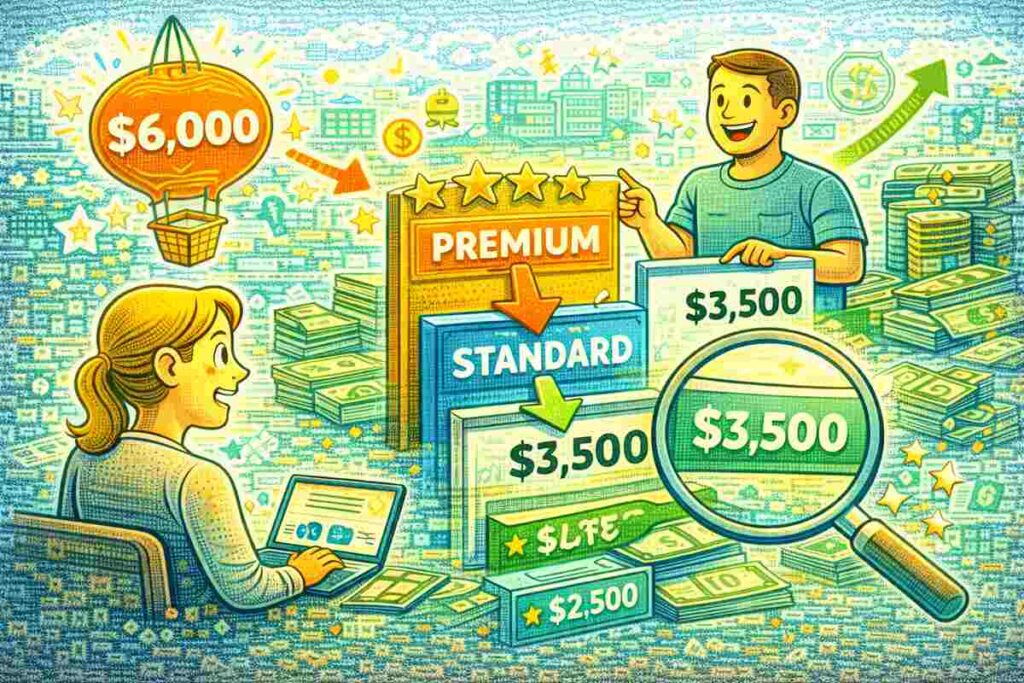
Anchoring is one of the strongest psychological effects in pricing.
The first number a client sees becomes the reference point for all future comparisons.
Example:
Instead of quoting $3,000 immediately, present:
Now $3,500 feels reasonable.
Behavioral research summarized by Psychology Today explains why anchoring dramatically influences decision-making.
Takeaway: The first number sets the mental frame.
Clients don’t buy time, they buy results.
You price:
Example:
A landing page isn’t “10 hours of work.” It’s a conversion asset.
The Forbes Advisor pricing guide shows value-based pricing consistently increases earnings for service providers.
Takeaway: Outcomes feel expensive. Hours feel negotiable.
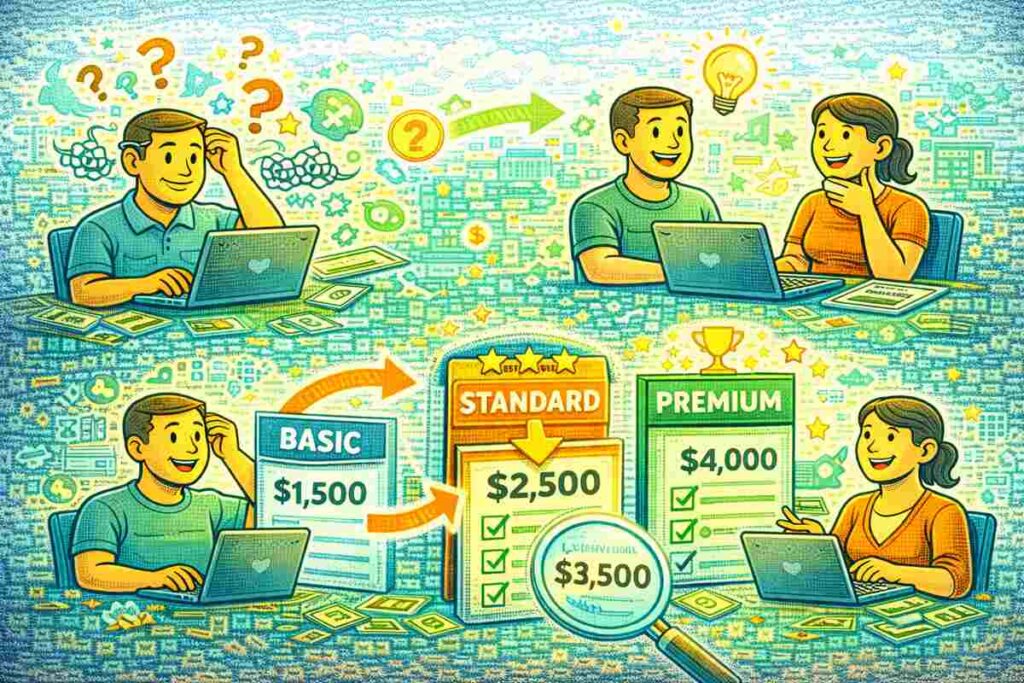
Too many options overwhelm. One option creates resistance.
Three options? That’s the sweet spot.
This effect, called the “decoy effect”, is widely studied in behavioral economics and discussed by MIT Sloan research.
Takeaway: Choice architecture closes deals.
Low prices often reduce trust.
In contrast, higher prices:
A McKinsey & Company analysis confirms that price is one of the strongest signals of quality when buyers lack full information.
Takeaway: Pricing communicates confidence before you speak.
Language changes perception.
Example:
“This project costs $4,000” vs
“This $4,000 investment replaces three months of trial and error.”
The American Psychological Association discusses framing effects in its decision-making research.
Takeaway: The same number feels different in a different frame.
Clients fear uncertainty more than price.
Discounts lower value. Clarity increases trust.
The Harvard Law School Program on Negotiation notes that risk reduction often matters more than price concessions.
Takeaway: Certainty closes deals faster than discounts.
This is the hardest and most powerful tactic.
Most freelancers talk themselves out of higher prices by filling silence with justification.
Sales psychology research summarized by HubSpot shows that silence increases perceived authority during negotiations.
Rule: Quote the price. Stop talking.
Takeaway: Confidence is often quiet.
These tactics compound:
Pricing becomes easier, not harder.
After reframing services into outcome-based packages and raising prices by 35%, a freelance consultant:
Lesson: Better pricing attracts better clients.
| Aspect | Emotional Pricing | Psychological Pricing |
|---|---|---|
| Confidence | Low | High |
| Discounts | Frequent | Rare |
| Client quality | Mixed | Higher |
| Negotiation | Stressful | Minimal |
| Income stability | Low | High |
1. Will higher prices scare clients away?
Some, but usually the wrong ones.
2. Should beginners use pricing psychology?
Yes, clarity beats cheapness.
3. Is value-based pricing ethical?
Yes, when value is real.
4. Should prices be public or private?
Depends on your positioning.
5. How often should freelancers raise prices?
When demand exceeds capacity.
Freelance pricing isn’t about charging the maximum, it’s about charging correctly. When pricing aligns with psychology, value becomes clear, negotiations become easier, and clients feel more confident saying yes.
In 2026, the most successful freelancers aren’t just skilled, they’re strategic about how their value is perceived.
If this guide helped you rethink your pricing strategy, share it or explore more advanced freelancing insights on our blog.