Physical Address
304 North Cardinal St.
Dorchester Center, MA 02124
Physical Address
304 North Cardinal St.
Dorchester Center, MA 02124

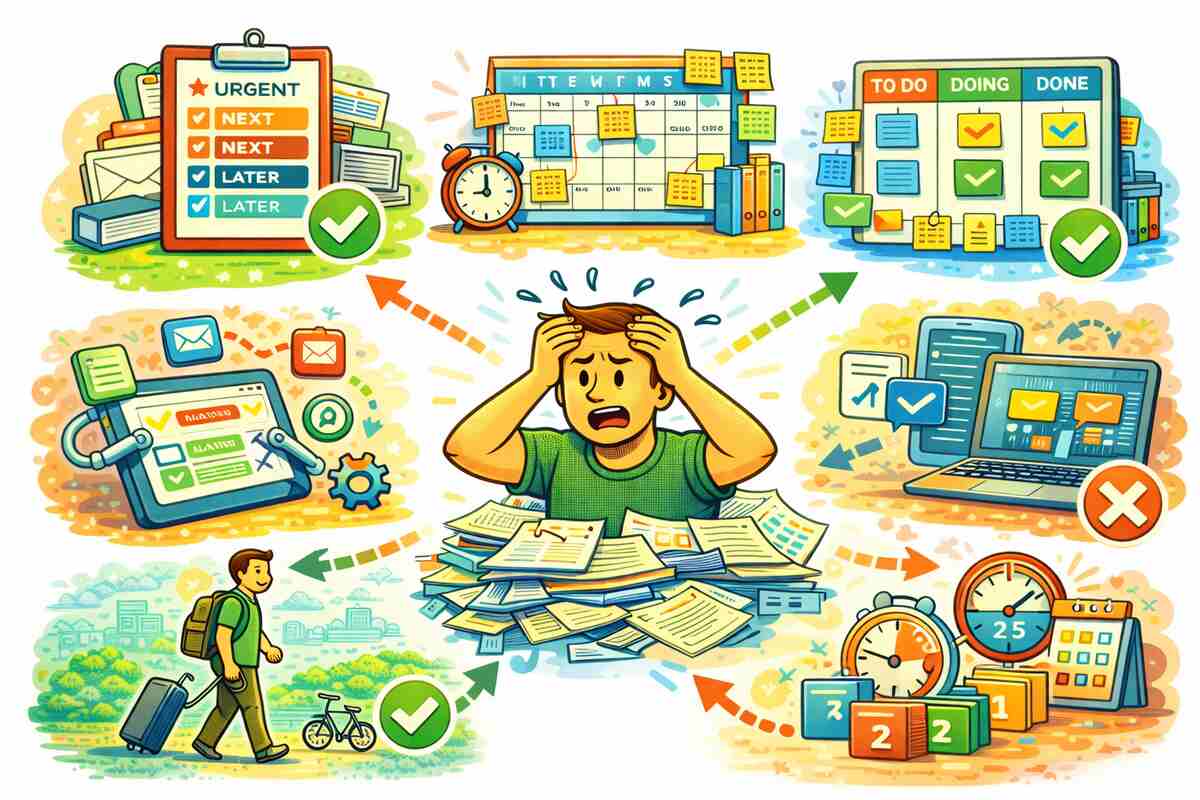
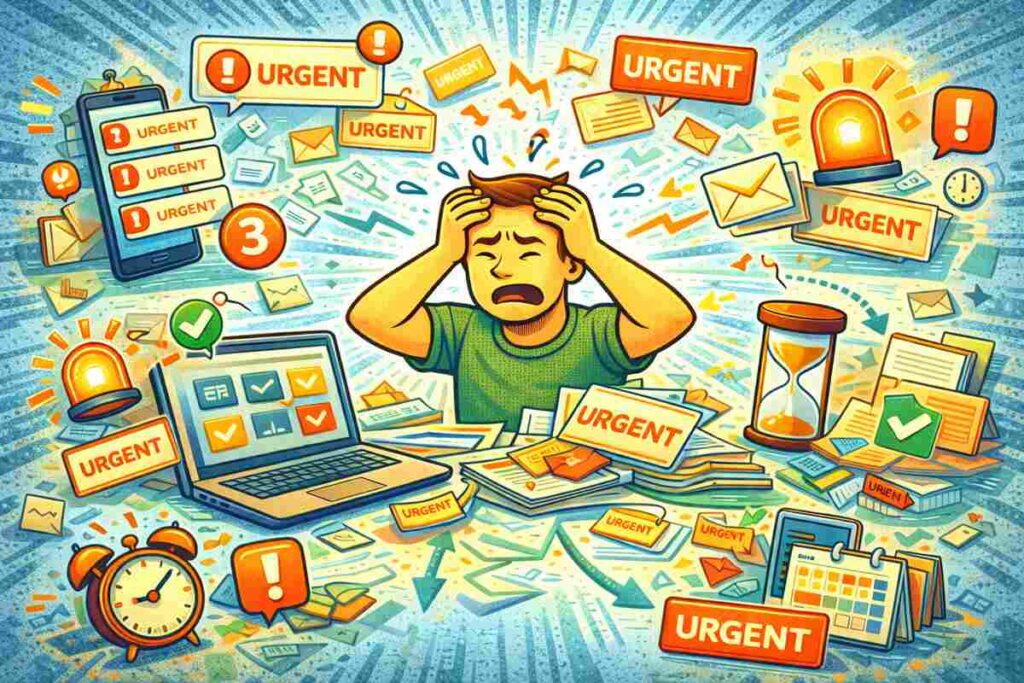
Task overload isn’t a time-management problem, it’s a decision-making problem.
In 2026, knowledge workers, freelancers, managers, and remote teams are drowning in tasks. Notifications never stop. Projects overlap. Priorities shift daily. The result isn’t laziness or lack of discipline, it’s cognitive overload.
According to a Harvard Business Review study, task overload significantly reduces productivity, decision quality, and long-term motivation even among high performers.
The solution isn’t doing more. It’s using better systems.
This guide breaks down 5 genius, proven systems that help you regain control, reduce mental clutter, and consistently get meaningful work done without burning out.
Task overload happens when the number of open loops in your mind exceeds your ability to process them calmly.
Neuroscience research summarized by MIT Sloan explains that frequent task-switching dramatically increases cognitive fatigue.
Takeaway: Overload isn’t a personal failure—it’s a system failure.
Most people try to fight overload with:
These approaches often make things worse.
Key Insight: The brain is bad at holding priorities but excellent at executing clear instructions.
That’s why external systems matter.

This is the foundation of all productivity.
You never try to remember tasks. Ever.
Instead, you:
This concept is central to David Allen’s methodology and supported by cognitive research discussed by Psychology Today here.
Rule: If it’s in your head, it’s not in the system.
Takeaway: A clear mind is more productive than a motivated one.
Daily planning is too tactical. Monthly planning is too vague.
The sweet spot is weekly.
Once a week, you:
Research Insight: A Forbes Advisor analysis shows weekly planning dramatically improves follow-through and reduces stress.
Takeaway: If you don’t decide priorities intentionally, urgency will decide for you.
Long to-do lists overwhelm the brain.
This system simplifies execution.
That’s it.
The American Psychological Association discusses how limiting choices improves focus and decision quality in its behavioral research.
Rule: You’re only allowed to work from the “Now” list.
Takeaway: Progress comes from focus, not volume.
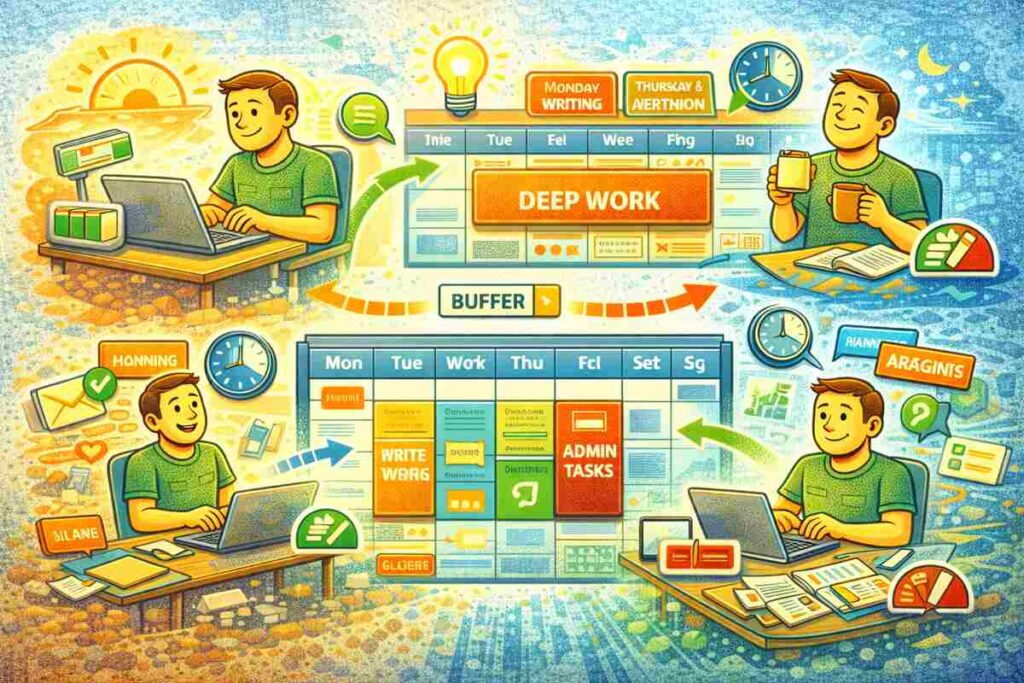
Time-blocking fails when it ignores human energy.
This upgraded system aligns tasks with how your brain actually works.
Example: Creative work in the morning, admin in the afternoon.
Science Insight: The Cleveland Clinic explains circadian energy patterns and focus optimization here.
Takeaway: Work with your energy not against it.
Most overload comes from too many commitments, not poor execution.
You actively identify:
Productivity Insight: McKinsey & Company emphasizes subtraction, not addition, as a key productivity lever in its work effectiveness research.
Rule: Every new commitment requires removing or downgrading another.
Takeaway: Saying no is a productivity skill.
These systems aren’t isolated they stack.
Together, they create calm, controlled productivity.
A remote manager juggling multiple teams implemented these systems over 30 days.
Results:
Lesson: Systems scale better than motivation.
| Aspect | Reactive Work | System-Based Work |
|---|---|---|
| Mental load | High | Low |
| Focus | Fragmented | Directed |
| Stress | Constant | Manageable |
| Output quality | Inconsistent | High |
| Sustainability | Low | High |
1. Do I need all five systems?
No, start with one and build gradually.
2. How long does it take to feel results?
Often within one week.
3. Are digital tools required?
No, systems matter more than apps.
4. Can this work for teams?
Yes, especially weekly resets.
5. What’s the biggest mistake people make?
Overcomplicating the system.
Task overload isn’t solved by hustling harder, it’s solved by thinking systemically.
When your work is captured, prioritized, limited, and aligned with your energy, productivity stops feeling like a fight.
In 2026, the most effective people aren’t the busiest. They’re the ones who’ve built systems that let them focus on what actually matters.
If this guide helped you regain clarity, share it or explore more productivity and future-of-work insights on our blog.