Physical Address
304 North Cardinal St.
Dorchester Center, MA 02124
Physical Address
304 North Cardinal St.
Dorchester Center, MA 02124

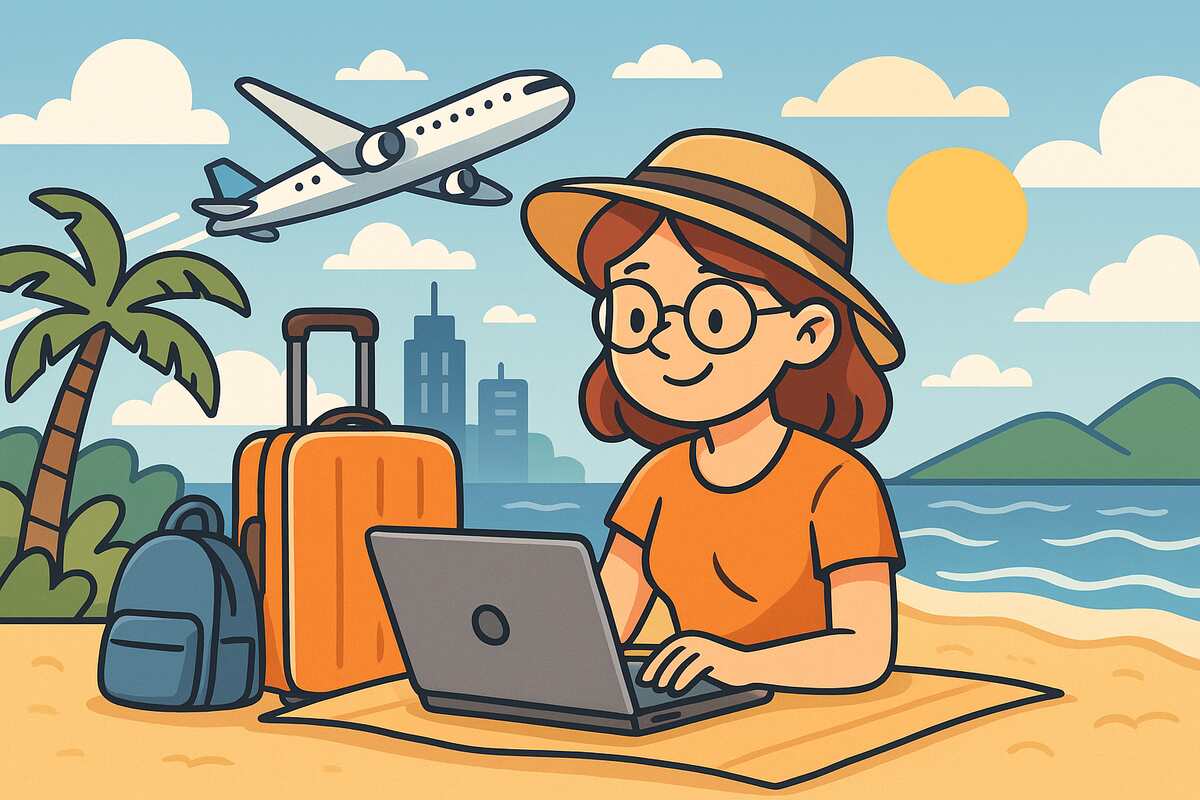
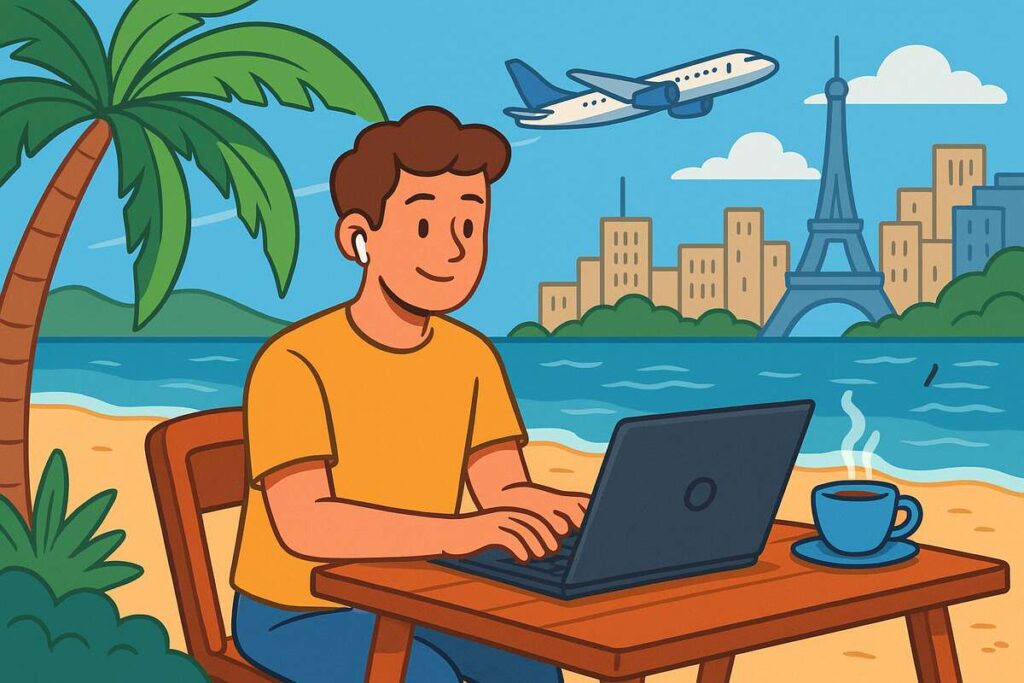
Imagine replying to client emails from a beachside café in Bali or joining your team’s Zoom call while sipping coffee in a cozy Paris apartment. The rise of remote work has made this lifestyle once reserved for the few attainable for millions. Yet, maintaining productivity while exploring the world is no small feat. The work and travel balance requires discipline, planning, and self-awareness.
According to a Harvard Business Review study, remote professionals who travel regularly report higher life satisfaction but also greater challenges with time zones, distractions, and burnout. The good news? With the right mindset and systems, you can enjoy both wanderlust and career success without sacrificing either.
Here are the secrets to achieving a blissful, successful work-travel balance—so you can thrive professionally while exploring the world.
Best for: Remote workers collaborating across countries.
One of the biggest challenges digital nomads face is managing time zones. Missing a meeting or working odd hours can throw your schedule into chaos. The key is building a routine that respects both your work commitments and your location.
Smart Tools for Time Zone Clarity:
Example: Emma, a graphic designer from Canada, travels between Portugal and Thailand. By grouping meetings early in her week and setting “quiet hours,” she maintains productivity while exploring local culture.
Pro Tip: Keep a consistent “anchor time” for your main work activities this helps prevent burnout caused by irregular sleep and work cycles.
Takeaway: Time zones don’t have to control you structure and tools make them your ally.

Best for: Freelancers and entrepreneurs seeking reliable work environments.
Not all travel destinations are created equal when it comes to remote work. Reliable Wi-Fi, affordable coworking spaces, and safety are non-negotiables for digital professionals.
Top Nomad-Friendly Cities:
| City | Strengths | Internet Speed | Average Monthly Cost |
|---|---|---|---|
| Lisbon, Portugal | Culture, affordability, coworking spaces | 120 Mbps | $1,800 |
| Chiang Mai, Thailand | Budget-friendly, creative community | 100 Mbps | $1,200 |
| Medellín, Colombia | Warm climate, strong expat scene | 90 Mbps | $1,400 |
| Budapest, Hungary | European base with modern infrastructure | 100 Mbps | $1,700 |
Example: After relocating to Lisbon, software developer Mark noticed his output improved by 30% thanks to better focus and supportive digital nomad communities.
Pro Tip: Use Nomad List to research destinations that match your budget, internet speed needs, and lifestyle preferences.
Takeaway: The right location fuels both creativity and consistency.
Best for: Maintaining discipline amid travel freedom.
Without a schedule, work can easily bleed into your exploration time or vice versa. Successful work travelers design routines that prioritize their most productive hours while leaving room for adventure.
How to Build Your Ideal Routine:
Example: Maria, a content strategist, uses the Pomodoro technique—working in 50-minute bursts followed by short breaks—to stay on task even while traveling through Europe.
Pro Tip: Don’t over-schedule. Leave buffer time for unexpected delays, travel fatigue, or cultural experiences.
Takeaway: Balance thrives on structure, not rigidity.

Best for: Combating loneliness and building support systems.
While traveling solo has perks, isolation can sneak up quickly. Building a network of like-minded professionals is essential for motivation, collaboration, and emotional health.
Ways to Build Community on the Road:
Example: Carlos, a UX designer, joined a coworking villa in Bali and found new clients while building lasting friendships with other digital nomads.
Pro Tip: Even brief local connections improve your mental well-being and make travel more fulfilling.
Takeaway: A strong community is the foundation of sustainable remote success.
Best for: Long-term travelers balancing career and health.
It’s easy to fall into the “always on” trap working while sightseeing or skipping rest days. Over time, that leads to fatigue and loss of passion. To truly balance work and travel, you must protect your physical and mental energy.
Simple Self-Care Habits for Travelers:
Research Insight: A Mayo Clinic study shows regular physical activity reduces work-related stress and boosts focus.
Example: Freelance translator Sophie began journaling every morning to ground herself mentally before diving into work. Her stress levels dropped noticeably.
Takeaway: Self-care isn’t indulgence—it’s fuel for sustainable success.
Best for: Freelancers and remote employees juggling multiple clients.
Traveling makes it tempting to blend personal time with work hours. Without boundaries, you risk burnout or missing out on meaningful experiences.
Practical Tips:
Example: Alex, a project manager, began setting Slack statuses indicating his local time zone and availability. Miscommunications dropped dramatically.
Pro Tip: Boundaries protect your freedom—enforcing them builds respect, not resentment.
Takeaway: Balance starts when you define what’s non-negotiable.
Best for: Nomads managing multiple tasks on the go.
The right tech stack can turn chaos into calm. From project management to budgeting, modern apps make remote work seamless.
Essential Apps for Work-Travel Balance:
Example: By automating her invoicing and time tracking through Notion and Wise, freelance marketer Dana cut her admin time by 40%—freeing up more hours for travel.
Takeaway: Tech is your travel partner—let it work for you.
When Lucas, a remote developer, started traveling full-time, he struggled with time zones and motivation. Over time, he created a structured routine, joined coworking hubs, and used automation tools for scheduling. Within a year, his productivity doubled—and he visited 10 countries without missing a single project deadline.
Lesson: With systems and self-awareness, you can work from anywhere without sacrificing results or joy.
| Strategy | Benefit | Tools/Resources | Difficulty |
|---|---|---|---|
| Manage time zones | Prevent scheduling chaos | World Time Buddy, Google Calendar | Moderate |
| Choose nomad-friendly cities | Boost focus & quality of life | Nomad List, coworking spaces | Easy |
| Build flexible routines | Stay productive & rested | Clockify, Pomodoro apps | Moderate |
| Nurture community | Beat loneliness | WeWork, Meetup | Moderate |
| Prioritize self-care | Prevent burnout | Fitness apps, meditation | Easy |
| Set boundaries | Protect mental energy | Slack, autoresponders | Easy |
| Use smart tech | Simplify daily work | Notion, Wise, Trello | Easy |
1. Can anyone work while traveling?
Yes, but success depends on self-discipline, reliable Wi-Fi, and choosing the right type of work that allows flexibility.
2. How do I stay productive in new environments?
Stick to consistent routines, find coworking spaces, and minimize distractions with focus apps like Freedom or Forest.
3. What jobs are best for working while traveling?
Remote-friendly roles such as writing, design, programming, teaching online, marketing, or consulting.
4. How do I handle burnout from constant movement?
Slow down your travel pace spend longer in each location to regain rhythm and rest.
5. How do I balance exploration and deadlines?
Plan sightseeing for weekends or evenings and keep work hours sacred during weekdays.
Work and travel aren’t opposites they’re partners in a lifestyle that rewards freedom, creativity, and growth. Balancing the two requires intentionality: clear boundaries, structured routines, and ongoing self-care. Once mastered, it opens the door to an extraordinary life filled with professional achievement and unforgettable adventures.
So pack your laptop, book that flight, and start building your dream of a blissful, successful work-travel balance because the world is waiting.
If this article inspired you to embrace the work-and-travel lifestyle, share it with fellow adventurers and explore more nomadic living tips on our blog.